
2026-08-19 · Luis Domingo
Recognizing Wind Damage To Flashing And Shingles
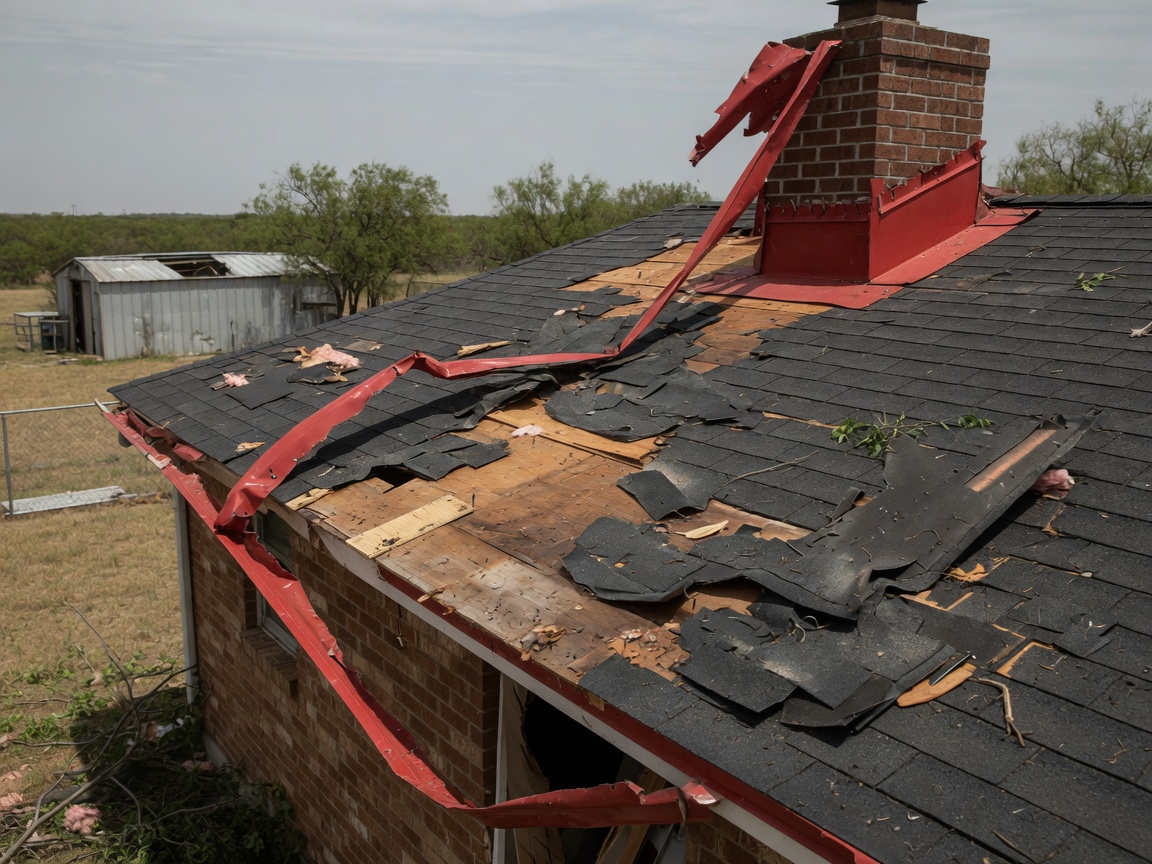
Wind gusts in Travis County frequently loosen asphalt shingles and metal flashing on roofs in Del Valle, especially on homes built near McKinney Falls State Park or along the Colorado River corridor. Homeowners typically notice missing granules, raised tabs, or gaps around vents and valleys after sustained 40-plus mph winds that accompany summer thunderstorms. Early detection prevents water intrusion that can reach interior ceilings within one or two heavy rains.
Common Wind Patterns Affecting Del Valle Roofs
Del Valle sits in a humid subtropical zone where hot summers bring pop-up storms that generate straight-line winds across open terrain near Circuit of the Americas. These winds hit roofs at angles that pry up the leading edges of shingles on the prevailing southeast exposure. Homes closer to the Colorado River experience additional turbulence from river valley updrafts, which accelerate wind speed by 10 to 15 mph compared with inland neighborhoods. Mild winters still produce occasional frontal passages that deliver 30 to 50 mph gusts capable of working flashing seams loose over time. Roof slopes between 4:12 and 6:12 common on 1990s and 2000s tract homes in the area offer less resistance than steeper pitches, so wind finds purchase under the shingle tabs more easily.
Visual Signs on Asphalt Shingles
Walk the perimeter and look for shingles with lifted corners or tabs that no longer lie flat against the course below. Granule loss often appears as dark streaks running down the slope after wind has sandblasted the surface. In Del Valle subdivisions, three-tab shingles installed 15 to 20 years ago show this wear first because the sealant strip has dried and lost adhesion. Check for shingles that have rotated or slid downward; these usually sit 1 to 2 inches out of alignment with neighboring pieces. Creased or cracked shingles near the ridge indicate repeated flexing from wind uplift. Any shingle missing more than 20 percent of its granules should be scheduled for replacement to maintain the remaining roof's wind resistance.
Inspecting Metal Flashing for Wind Movement
Step flashing along sidewalls and chimney flashing are frequent points of failure when wind works under the metal. Look for nails that have backed out or flashing pieces that have shifted more than 1/4 inch from their original position. In the Colorado River area, corrosion from humidity accelerates once the protective coating is abraded by wind-driven debris. Valley flashing that has lifted at the seams allows water to enter during the next rain even if the surrounding shingles remain intact. Counter flashing at stucco or brick walls often shows gaps where wind has pulled the metal away from the mortar joint. These signs appear most often on homes within five miles of Austin-Bergstrom International Airport where open fields increase wind exposure.
Next Steps After Spotting Damage
Document the affected areas with photos from ground level and note any interior water stains. Contact a local roofer for a full roof inspection before scheduling targeted shingle replacement. Properties in Pflugerville and Buda that share the same wind corridor often need storm damage assessment after the same weather events. Homeowners can also review managing tree debris and overhang on local roofs to reduce future wind catch points created by overhanging limbs. Addressing wind damage promptly keeps small repairs from turning into full roof replacement projects later in the season.