
2026-08-19 · Luis Domingo
Key Local Permitting Steps For Roofing Projects
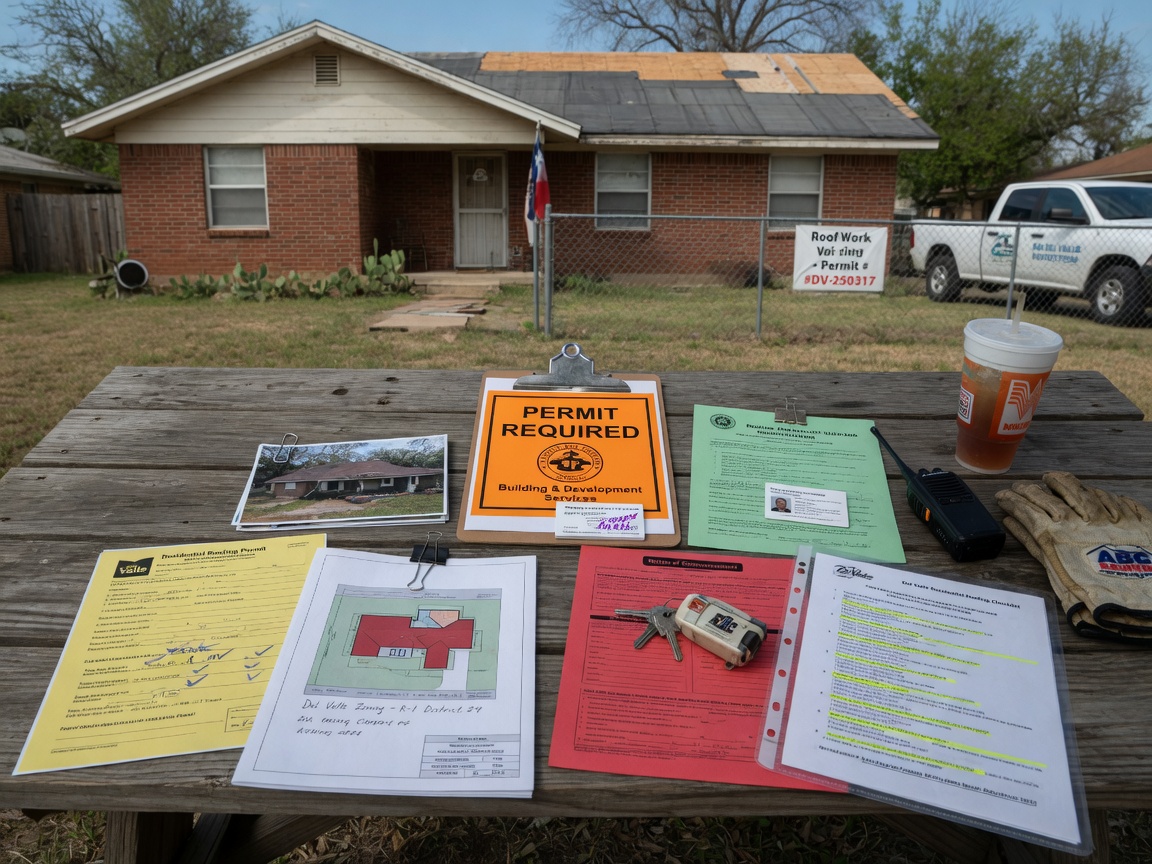
The key local permitting steps for roofing projects in Del Valle start with contacting Travis County Building Services for an application, followed by submitting plans that address the humid subtropical conditions with hot summers and mild winters, then scheduling inspections before work begins near landmarks like Austin-Bergstrom International Airport or McKinney Falls State Park.
Checking Travis County Requirements First
Del Valle sits in unincorporated Travis County, so roofing work falls under county rules rather than city of Austin codes. Homeowners must verify if their property lies in the Colorado River area or near Circuit of the Americas, where flood zones or drainage rules can add steps. Start by reviewing the county website or calling during business hours to confirm whether a permit is needed for roof replacement on homes built in the 1980s or 1990s, which make up much of the local housing stock. These older roofs often involve asphalt shingles that must meet updated wind and hail standards due to seasonal storms. Skipping this check leads to stop-work orders once crews arrive on site.
Submitting the Permit Application
Prepare drawings or photos of the existing roof along with material specs for the new system. Travis County requires details on how the project handles runoff toward the Colorado River watershed and accounts for tree cover common around McKinney Falls State Park. Include the property address and any notes about proximity to Pflugerville or Buda boundaries, since edge cases sometimes trigger extra reviews. Submit in person or online with the required fee, which the county processes in batches. Projects near Austin-Bergstrom International Airport may need additional height or glare notes if the roof slope changes. Once filed, expect an initial review period before approval.
Handling Plan Review and Revisions
County reviewers examine submissions for compliance with local wind loads and drainage, especially on lots with clay soils that expand during mild winter rains. If changes are requested, revise the scope and resubmit promptly to avoid delays during peak summer heat when crews prefer to work. Link this process to a full roof inspection beforehand so the submitted plans reflect actual conditions. Homes in Del Valle often sit on larger lots with mature trees, so include overhang details to satisfy debris and drainage rules. Revisions here prevent later issues when tying into existing structures from the 1990s building boom.
Scheduling Inspections and Final Approval
After approval, book the required inspections at key stages such as decking exposure and final shingle installation. Inspectors check for proper flashing around vents and valleys, which matters in humid conditions that promote moisture retention. Coordinate these visits around the address at 12800 Pearce Ln area or similar neighborhoods to keep the timeline tight. Once the final inspection passes, the county issues a certificate that closes the permit. Document everything for future roof replacement needs, since records help when properties change hands in growing Travis County subdivisions.
Connecting Permitting to Ongoing Maintenance
Permitting success ties directly into long-term roof care because approved work must withstand local weather cycles. After completion, schedule routine checks to catch early wear from hot summers before it requires storm damage roof repair. Residents in the Colorado River area benefit from understanding how soil movement affects flashing integrity over time. Review factors that influence costs in related projects by reading Factors That Influence Roof Replacement Cost In Travis County to plan ahead. This approach keeps projects compliant from start to finish without unexpected county visits.